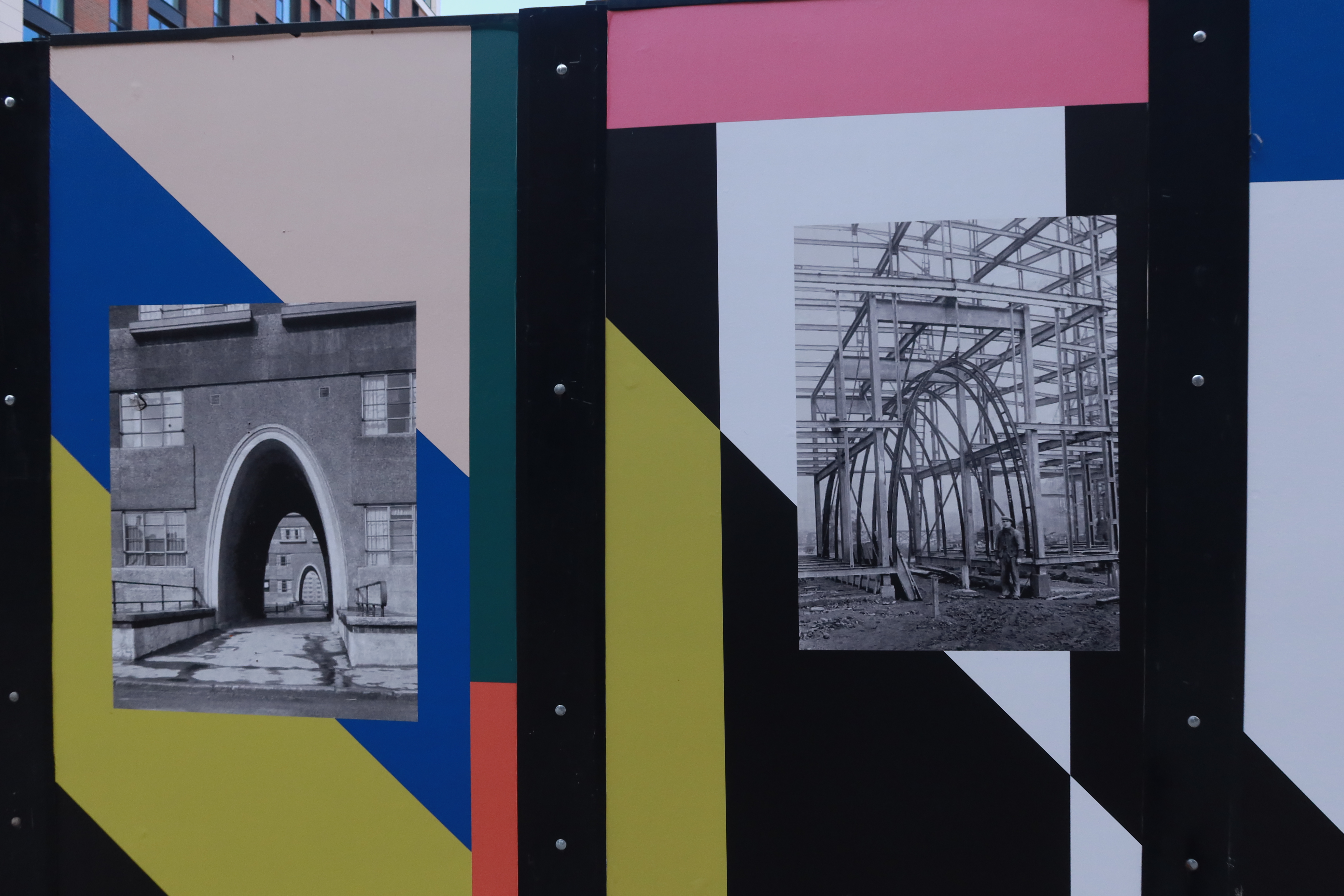
“What gets counted counts.”— D’Ignazio and Klein, Data Feminism (2020)
Why does this matter?
Our core research question is: How does the historical erasure of women in Quarry Hill help us understand the persistence of gender data gaps today?
This matters because data is not neutral—it reflects structures of power that determine who gets counted, and who disappears.
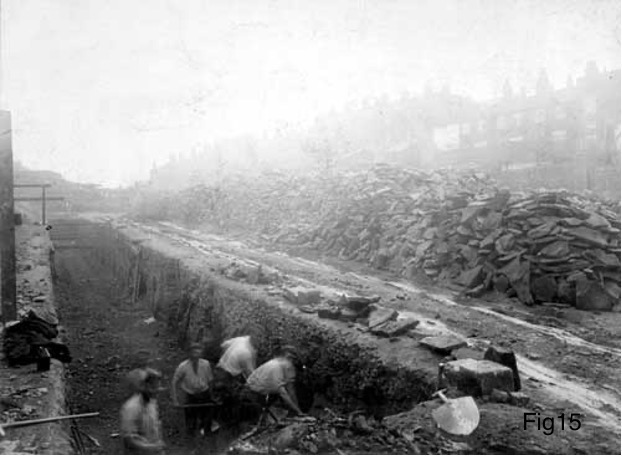
Uncounted Lives, Unseen Impact
What gets counted counts(D’Ignazio and Klein,2020). Being excluded from data means being excluded from analysis, from representation, from care. These are not minor oversights—they are systemic consequences.
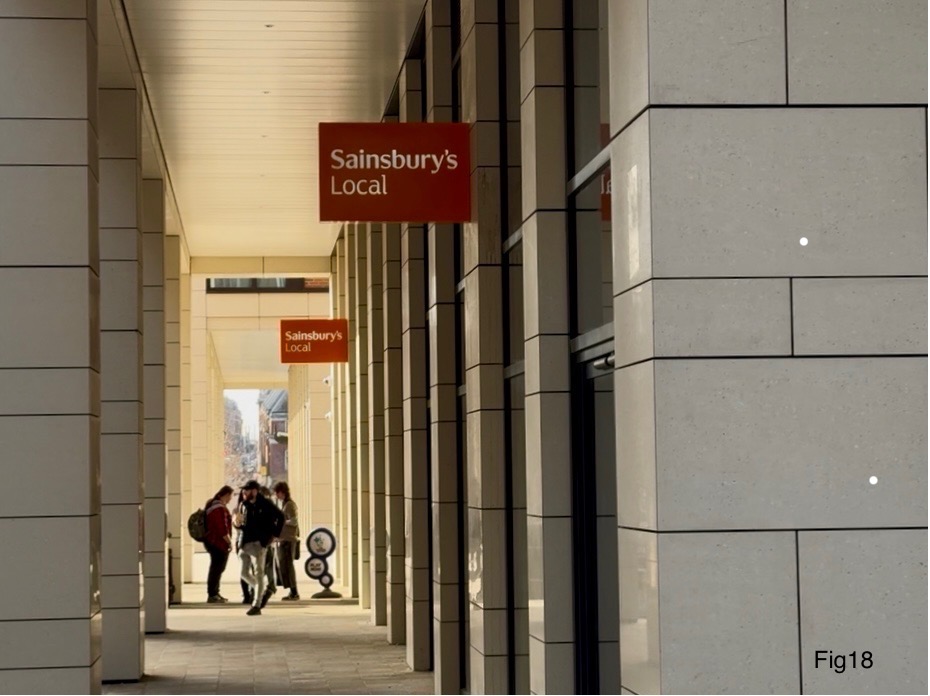
Why Might Others Experience This Collection Differently?
We realize that the problem of "absent data" is often the easiest to underestimate, especially for those who have never experienced its consequences personally.
When a system is designed for you, it will look "normal".
What we learned?
The most important thing we’ve learned from this project is this: data is not a neutral record—it is a historical and political construct.
The disappearance of women from the records of Quarry Hill is not accidental - it reflects a deep societal bias at the time about “who deserves to be recorded” and “whose experience is a public matter.” This still affects power structures in healthcare, transportation, and urban systems. As Ruha Benjamin (2019) puts it, "The past does not pass away. It accumulates and settles in our technologies, policies, and practices."
We are coming to understand that the point of rewriting the archive is not only to remember the past but also to prevent the future from being left out. Every voice left out of the historical data means a life at risk of being excluded from the algorithmic, political, and social systems of today and the future..
Therefore, our research is not only about restoring an overlooked piece of history but also about raising awareness that only by truly understanding the “silence and invisibility” experienced by those who are marginalised can we fundamentally improve their realities.